
Moderate consumptionis defined asone drink daily for women or two drinks daily for men. However, there may be certain times what does being tipsy feel like when you drink more than what’s considered moderate. Alcohol affects the brain and every part of the body on a cellular level. In addition to being the most commonly abused drug, alcohol is probably the most dangerous drug.
More Questions about Treatment?
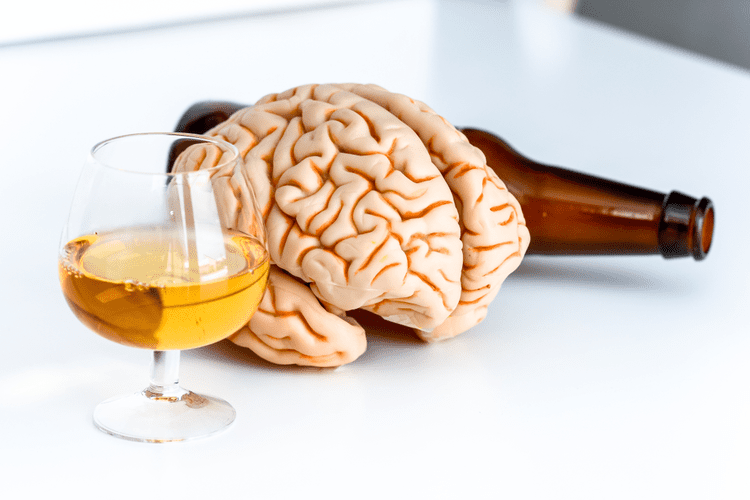
Studies have suggested that chronic alcoholism may accelerate normal aging or cause premature aging of the brain. Since my 21st birthday was last week https://ecosoberhouse.com/ I’ve been thinking about my relationship with alcohol more. Can someone give me a detailed description of what being drunk feels like? Consider eating a big meal, drinking more slowly, alternating your drinks with a non-alcoholic beverage, and setting a drink limit.
Take Back Control
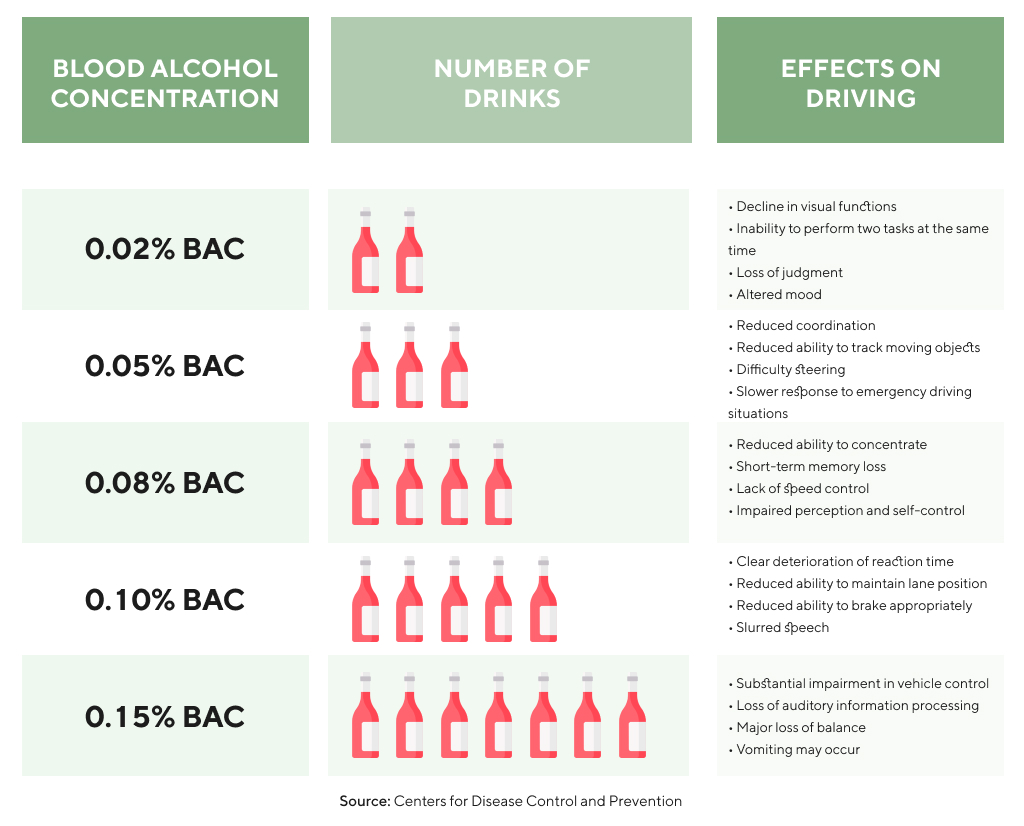
Alcohol abuse and binge drinking are common, and they put many people at risk of alcohol poisoning, alcohol addiction, and chronic alcohol-related health problems. This means that consuming four to five alcohol drinks in a short amount of time may be enough to put a person at risk of alcohol poisoning, or even death. A single drink may put a person over their state’s BAC limit for driving. When we’re analysing the feeling of being drunk, it helps to think about someone who never normally drinks.
Stage 1: Sobriety or Mild Intoxication
- Some people may be at risk of alcohol overdose after just a few drinks, especially if they are young, small, or do not often drink.
- Sociability often increases, as minor inhibitions are lowered and a person becomes more talkative and outgoing.
- This boost in confidence is one reason some people enjoy the feeling of tipsiness.
- It is influenced by factors such as the amount and speed of alcohol consumed, body weight, age, sex, food intake, and individual metabolism.
- Neglect of personal hygiene and grooming, exhaustion, dehydration, and lack of sleep are common among individuals with alcohol addiction.
Alcohol changes the way brain cells communicate with each other, and over time, this can lead to cognitive impairments. It is important to note that not everyone who consumes alcohol will experience alcohol-related brain damage, but heavy and chronic alcohol use increases the risk. Alcohol consumption can have a Alcoholics Anonymous significant impact on mental health. While some individuals with depression and anxiety might turn to alcohol to alleviate their symptoms, excessive alcohol use can actually worsen their mental health condition.
What are the physical signs of being drunk?
This is the time of the night when you hear your favorite song and make sure that everyone in the bar knows that you know all of the lyrics. You hit the dance floor and sing/scream about 90% of the lyrics, sippin’ on your drink whenever your brain comes up short. This is the point in the night where conversations reach their peak volume. Suddenly everybody in the bar is your new best friend and you are dying to tell them your life story. Not realizing how drunk you actually are, you promise to stay in touch, take your new BFF’s phone number, and head to the bathroom where you forget about him/her forever. When that first drop of delicious alcohol hits your tongue, your mind and body are taken to another place.
Understand the Risks and Get Help
Their speech often becomes slurred, and simple tasks, such as walking or standing up, may require extra effort. Reaction times slow significantly, and fine motor skills are severely impaired. Mentally, the person’s awareness and cognitive abilities are compromised, making it difficult for them to process information clearly or follow conversations. The combination of mental fog and physical impairment increases the risk of injury or dangerous behavior, as the individual may not realize their own limitations or the hazards around them.
Enroll in Alcohol Addiction Treatment at Ashwood Recovery
Even at tipsy levels, alcohol impairs the coordination, reflexes, and cognition essential for safe driving. Plus, being below the “legal limit” of intoxication does not necessarily protect you from the legal repercussions of behaving recklessly. You’re at a friend’s dinner party enjoying a light cocktail when you start to feel a pleasant buzz. Conversations seem more engaging, and you feel happier and more relaxed. But as the evening rolls on and the drinks keep coming, you start to feel heavy. It’s harder to stand and walk, and you find yourself acting in some uncharacteristic ways.